Buying a home is already a big financial step, so when a parent, grandparent, spouse, or family member offers to help with your down payment, it can feel like a huge relief.
A $10,000, $25,000, or even $100,000 gift toward your home purchase can make a major difference. It can help you qualify, lower your loan amount, reduce your monthly payment, or simply make the entire process feel more manageable.
But here’s the part many buyers do not realize:
Gift funds are not as simple as someone sending you money and you using it for your down payment.
When you are getting a mortgage, your lender has to document where that money came from, confirm that it is truly a gift, and make sure it follows the rules of your loan program. If the money is moved the wrong way, sent too late, transferred without documentation, or treated casually, it can create delays right when you are trying to get to the closing table.
So if someone is gifting you money for your home purchase, that is amazing. Just do not accidentally turn that gift into a problem.
Here’s what you need to know.
Tell your lender before any money moves
This is the first and most important rule.
Before your parents, relatives, or anyone else transfers money to you, talk to your lender.
Do not move the money first and ask questions later.
Your lender will tell you exactly how the funds should be transferred, where they should go, what documents will be needed, and whether the timing matters for your specific loan file.
Sometimes the gift funds may need to go into your bank account. Sometimes they may go directly to escrow or the title company. Sometimes the lender may want the transfer handled a very specific way to keep the paper trail clean.
This is not the part of the home buying process where you want to guess.
A quick conversation with your lender upfront can prevent a lot of unnecessary stress later.
You will probably need a gift letter
In most cases, your lender will require a gift letter.
A gift letter is a simple document that confirms the money being given to you is actually a gift and not a loan that needs to be repaid.
This matters because your lender is reviewing your full financial picture. If the money has to be paid back, that could affect your debt, your qualification, and your ability to afford the home.
A typical gift letter may include:
The name of the person giving the gift
Their relationship to you
A statement confirming the money is a true gift
A statement confirming repayment is not required
Your lender will usually provide the exact gift letter form they want used, so do not just download a random one online unless your lender tells you to.
The paper trail matters
This is where a lot of buyers get frustrated.
They think, “It’s from my dad. Why does underwriting need so much proof?”
Because underwriting does not operate on trust alone. It operates on documentation.
Your lender may need to verify where the funds came from, that the donor had the funds available, that the funds left the donor’s account, and that the funds arrived in your account or went to escrow properly.
That can mean providing things like:
The donor’s bank statement
Proof the money left the donor’s account
Proof the money was deposited into your account
Proof the money was sent to escrow or the title company
A copy of the cleared check or wire confirmation
This is why cash is a problem.
Cash does not create a clean paper trail. Mystery deposits are also a problem. Random transfers from payment apps can create questions too.
If the money suddenly appears in your account and there is no clear documentation, underwriting is going to ask questions.
And those questions can slow down your approval.
Move the money exactly how your lender tells you
Gift funds are not something to handle casually.
Do not have your parents send money through random apps. Do not deposit cash. Do not move money between several accounts. Do not transfer funds just because it seems easier.
Depending on your loan type and situation, your lender may prefer that the gift funds go directly to escrow. In other cases, they may want the funds deposited into your account first. Sometimes timing matters because deposits may need to be sourced and documented before closing.
The cleanest path is usually the one your lender gives you.
Check the loan program rules
Not every loan program treats gift funds the same way.
Some loan programs may allow your entire down payment to come from gift funds. Others may require you to contribute some of your own money, depending on the loan type, property type, down payment amount, and borrower profile.
This is another reason you want to discuss gift funds early in the process.
You do not want to find out a week before closing that your loan program has a rule you did not know about.
If you are using conventional financing, FHA, VA, USDA, jumbo financing, or another type of loan, the rules may vary. Your lender can explain what applies to your specific situation.
Do not forget about reserves
Even if you receive a large gift, your lender may still want to see that you have money left after closing.
Reserves are funds you have available after your down payment and closing costs are paid. They help show the lender that you are not completely draining every dollar you have just to buy the home.
Not every buyer needs reserves, but some do. It depends on the loan program, property type, borrower profile, and overall file.
For example, a buyer purchasing a primary residence with strong qualifications may have different reserve requirements than someone buying an investment property or using a more complex loan structure.
A large gift can help tremendously, but it does not automatically erase every other financial requirement.
Ask a CPA about gift tax questions
Gift funds can also raise tax questions, especially when the gift amount is large.
In many situations, the buyer receiving the gift does not pay tax on the gift. However, the person giving the gift may need to file a gift tax form depending on the amount and current tax rules.
That does not always mean they owe gift tax, but it may mean there is a reporting requirement.
This is where you should talk to a CPA or qualified tax professional.
Your real estate agent can help you understand the home buying process. Your lender can help you understand mortgage documentation. But gift tax questions belong with a tax professional.
Do not guess based on Google. Do not assume based on what a friend told you. Ask someone qualified.
Common gift fund mistakes buyers should avoid
Gift funds can be incredibly helpful, but these common mistakes can create delays:
Moving the money before talking to your lender
Sending money through payment apps without asking first
Making large deposits with no documentation
Not having a signed gift letter
Calling the money a gift when it is actually a loan
Waiting until the last minute
Using multiple accounts unnecessarily
Assuming all loan programs have the same rules
Not asking about reserves
The biggest mistake is treating gift funds like a casual family transfer instead of part of a mortgage file.
Once you are getting a home loan, everything has to be documented.
That does not mean you should be scared of using gift funds. It just means you need to handle them correctly.
Final thoughts
Receiving gift money for a down payment is a huge blessing. It can help you buy sooner, reduce your financial pressure, and make homeownership feel much more realistic.
But the money has to be handled the right way.
Before anything moves, talk to your lender. Make sure the gift letter is prepared correctly. Keep the paper trail clean. Follow the transfer instructions exactly. Ask about loan program rules. Confirm whether reserves are needed. And for tax questions, speak with a CPA.
Gift funds can absolutely help you buy a home.
You just want to make sure they help your approval instead of slowing it down.
If you are thinking about buying a home and a family member may be helping with your down payment, start the conversation early. The earlier you get clear on the rules, the smoother the process can be.
Keywords: gift funds for down payment • using gift money to buy a home • down payment gift letter • can parents gift money for a house • gift funds mortgage rules • home buying gift funds • real estate gift funds • mortgage down payment help • buying a home with family gift money • first time buyer down payment gift

 Facebook
 X
X
 Pinterest
 Copy Link






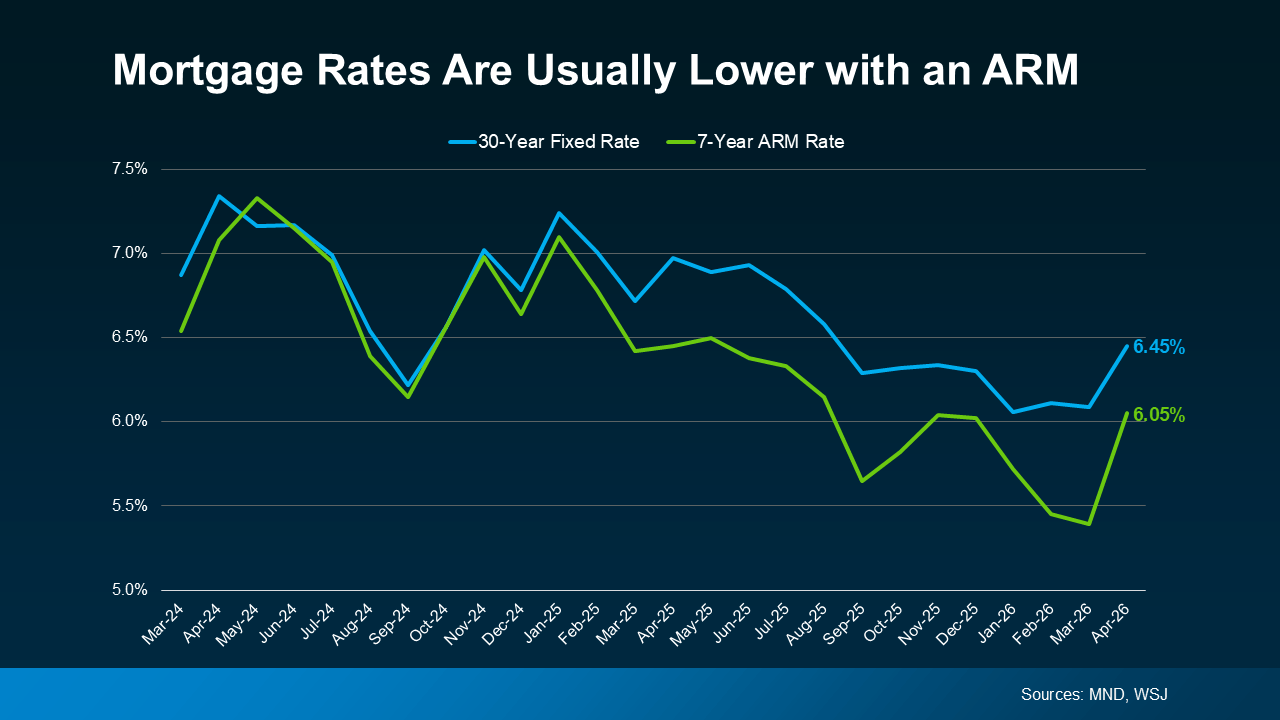 If you’re wondering how that shakes out in real dollars and cents, here’s what Redfin says. According to their research, the typical buyer could save about $150 per month by taking out an ARM instead of a 30-year fixed mortgage.
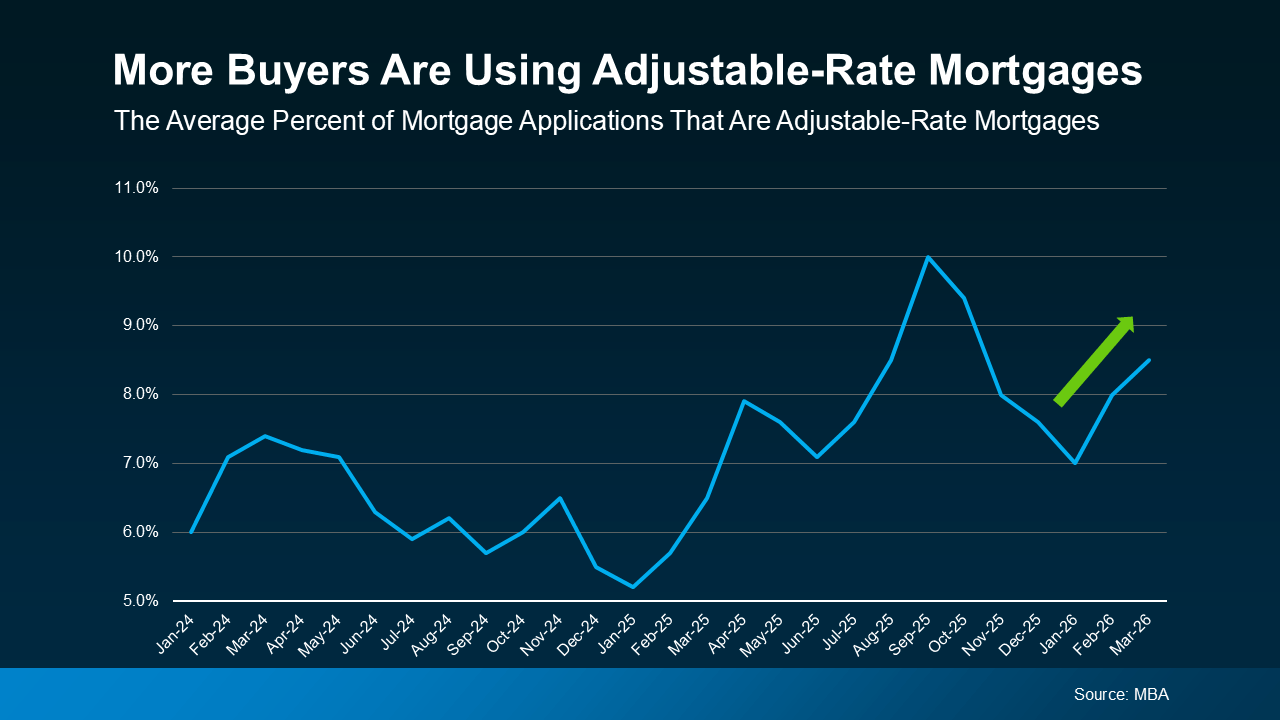 And if you remember the housing crash, seeing ARMs gain popularity again may raise concerns. But rest easy. Today’s ARMs aren’t the same.



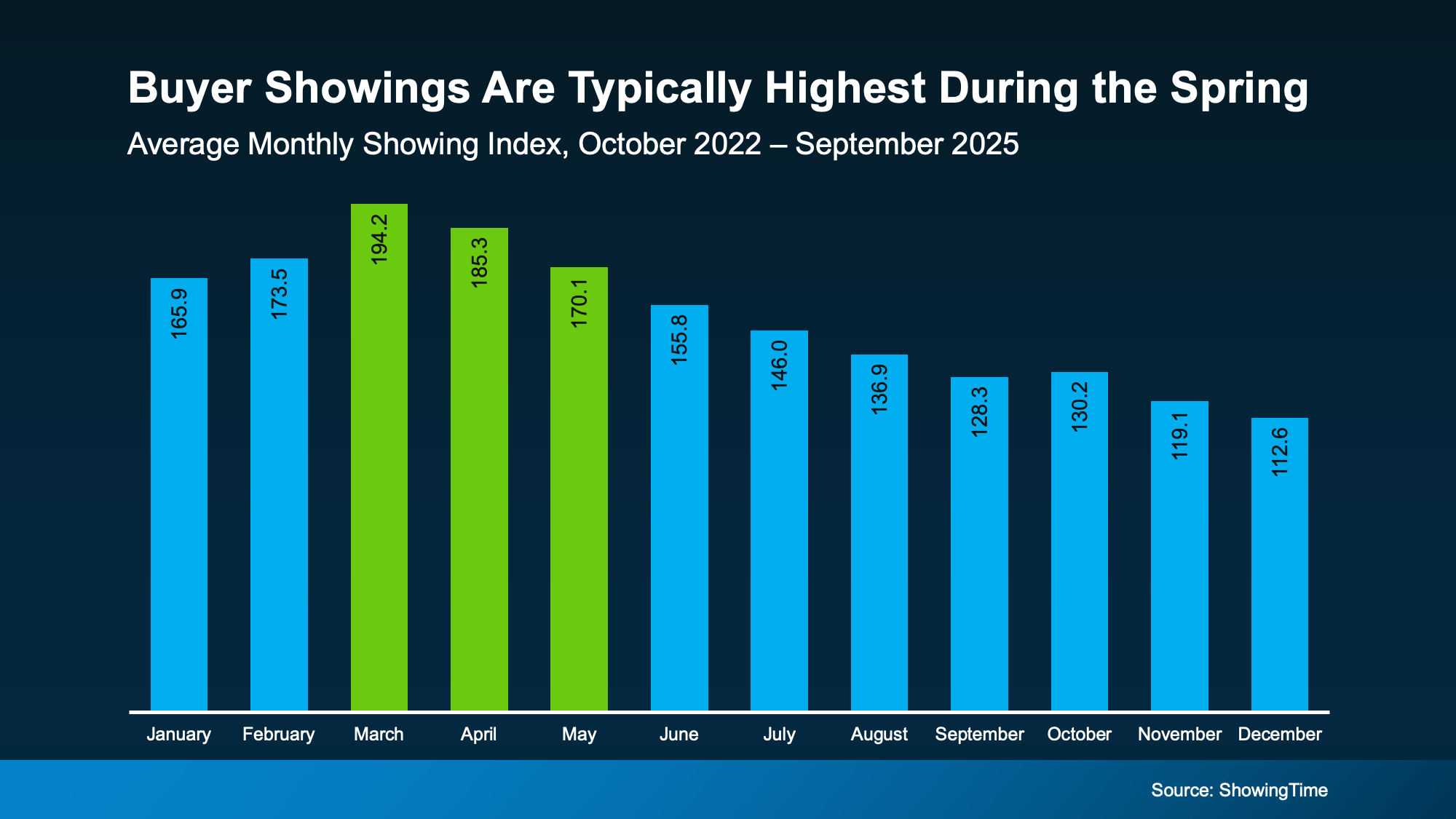
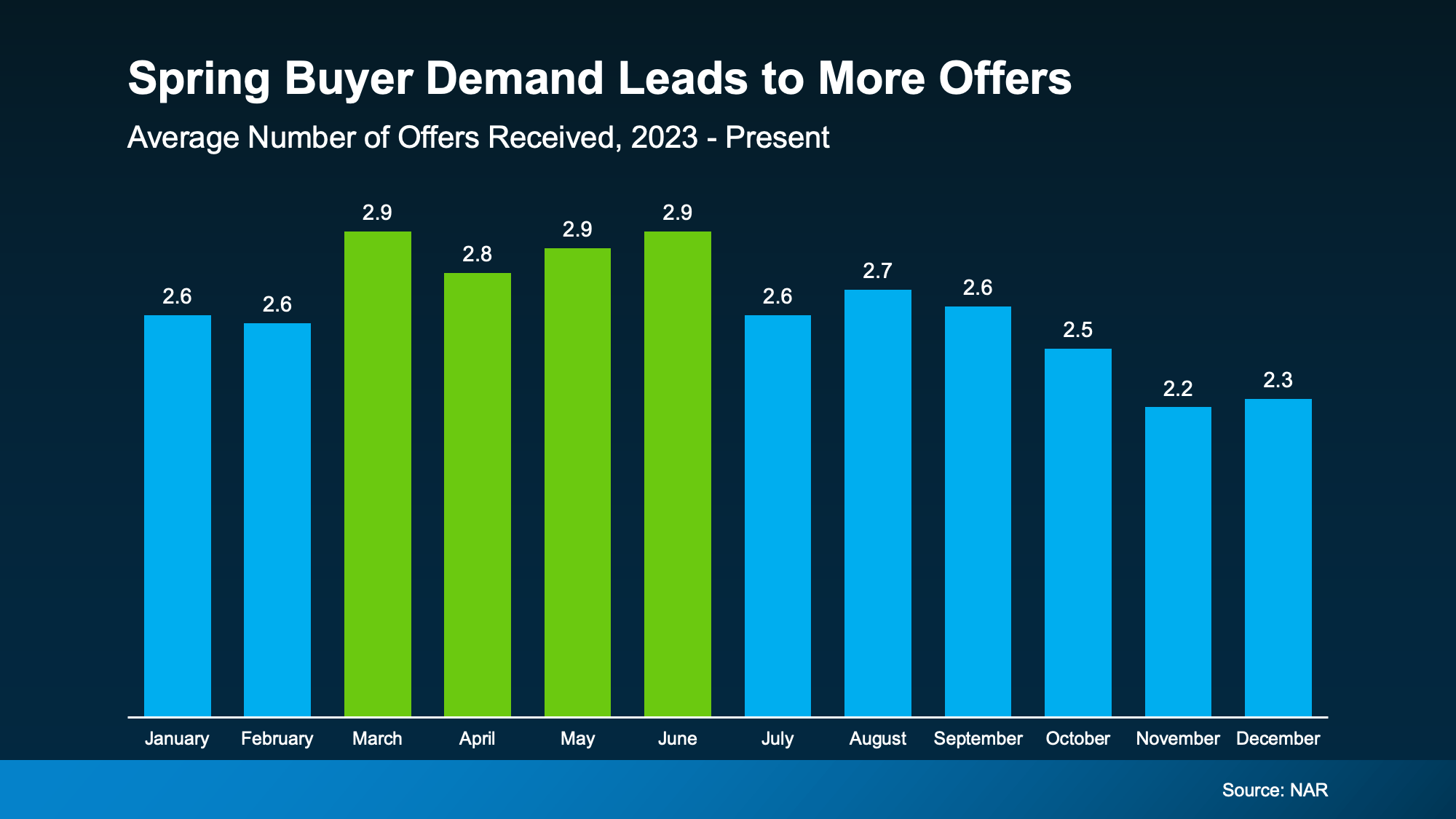
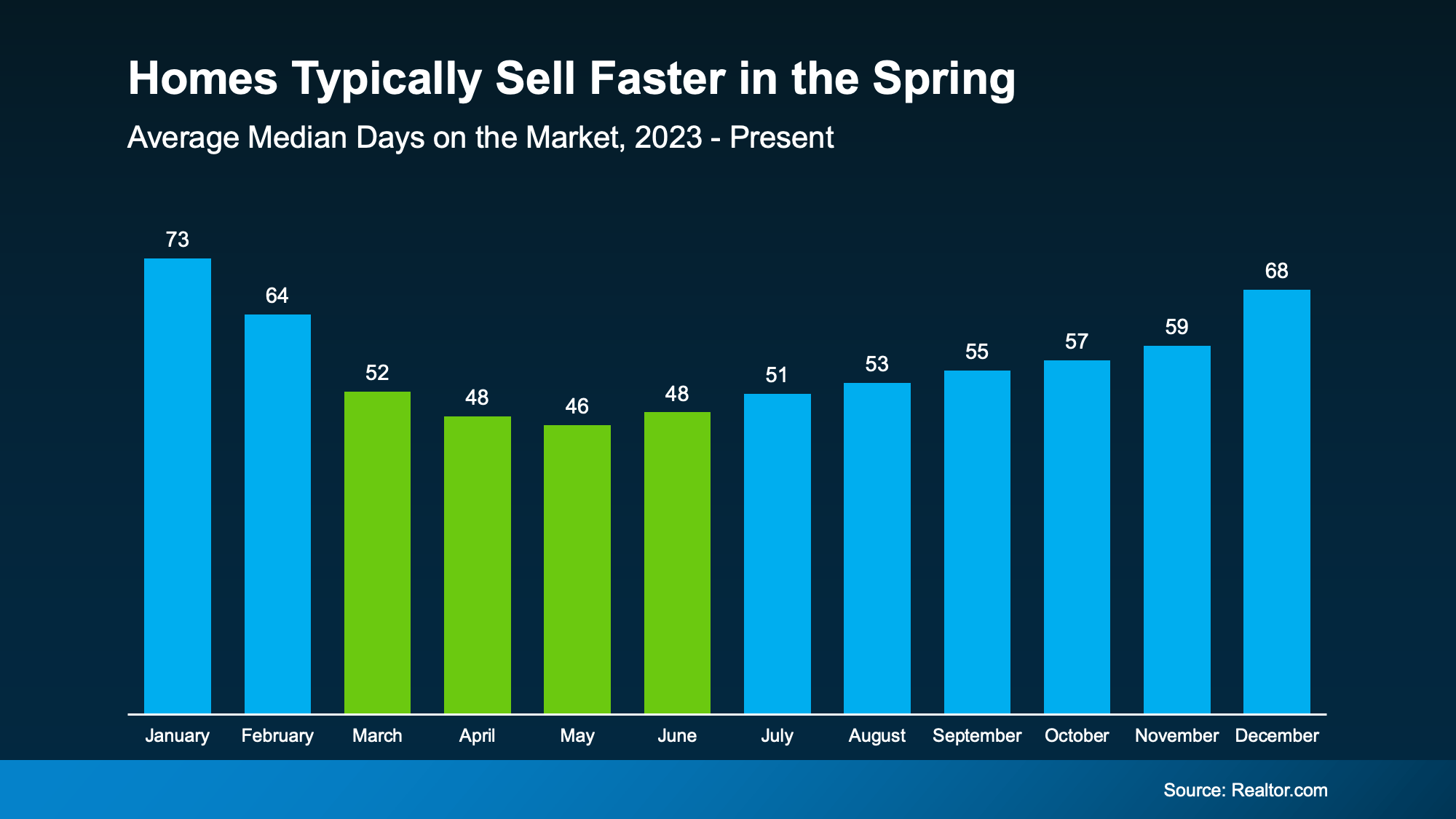 On average, homes sell 20 days faster in the Spring compared to the Winter. That’s almost 3 weeks shaved off your timeline. And that’s a difference you can feel.